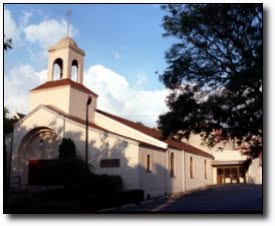
The Five Families of Kfarsghab — a legacy from the mountains of Lebanon to Easton, Pennsylvania.
Origins
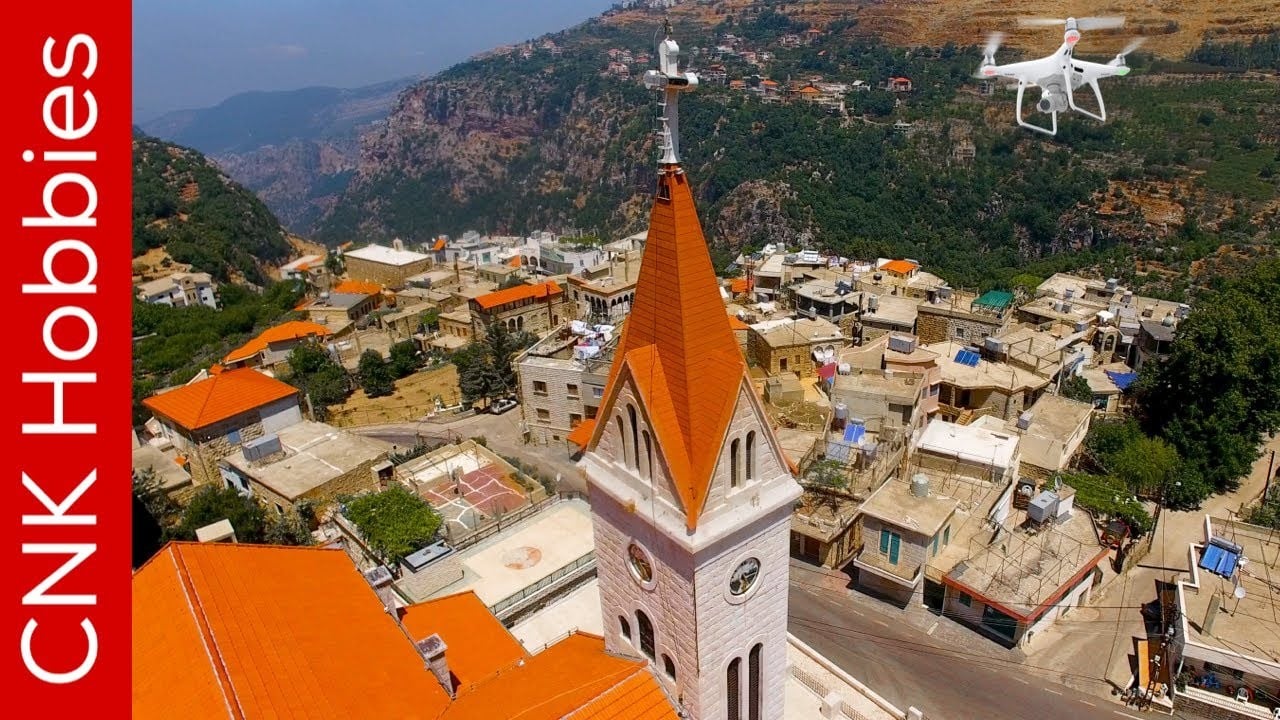
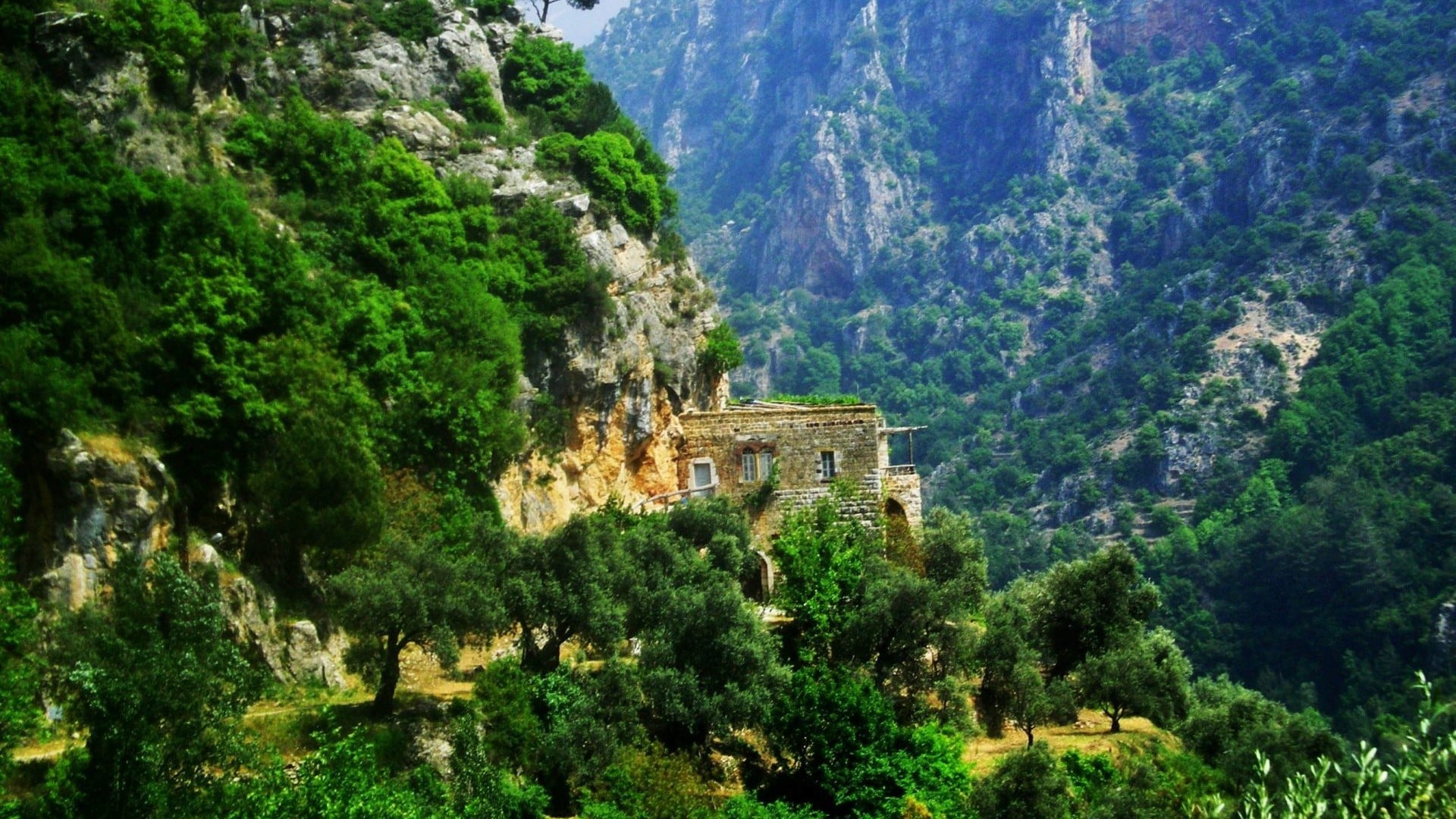
Nestled in the mountains of North Lebanon, Kfarsghab holds the ancestral roots of our parish community. Most Kfarsghabiyi can trace their ancestry to five founding families whose stories intertwine with centuries of Lebanese history.
Different peoples had settled in Kfarsghab throughout the ages — starting with the Heathens, then the Syriac people, followed by the Ottomans, and finally the Shiite Hamade family in the 17th Century.
The Patriarch
The Great-Grandfather of Kfarsghab
Deeb el Bahri came to Kfarsghab and became the Great-Grandfather of all Kfarsghabians. He was a hard-working man loved by all villagers. He met and married a girl named Marina, and together they had three sons who became the founders of the first three families:
Youssef
(Bou Mansour)
Khoury Youssef
(Maronite Priest)
Sleiman
(Bou Ibrahim)
Ancestry
Each family carries a unique story of faith, resilience, and community.
Son of Deeb el Bahri
Ancestor: Youssef
The eldest line, descended from Youssef, the first son of Deeb el Bahri and Marina. One of the three original families of Kfarsghab.
Son of Deeb el Bahri
Ancestor: Khoury Youssef
Named after Khoury Youssef, a Maronite priest whose name appears in many historical documents in the Patriarchal archives.
Son of Deeb el Bahri
Ancestor: Sleiman
Descended from Sleiman, the third son of Deeb el Bahri and Marina. The third of the original founding families.
From Jbeil (Byblos), Lebanon
Ancestor: Bou Youssef Elias
Arrived in the last quarter of the 17th Century from Byblos. Well-educated and of noble descent, he married into Deeb el Bahri's family and became the village's legal representative.
From Jeeta, Metn, Lebanon
Ancestor: Habouk
The last family to arrive, settling in the early 18th Century. Two brothers came from Jeeta while a third, a monk, remained at Deir Qozayah.
The Fourth Family
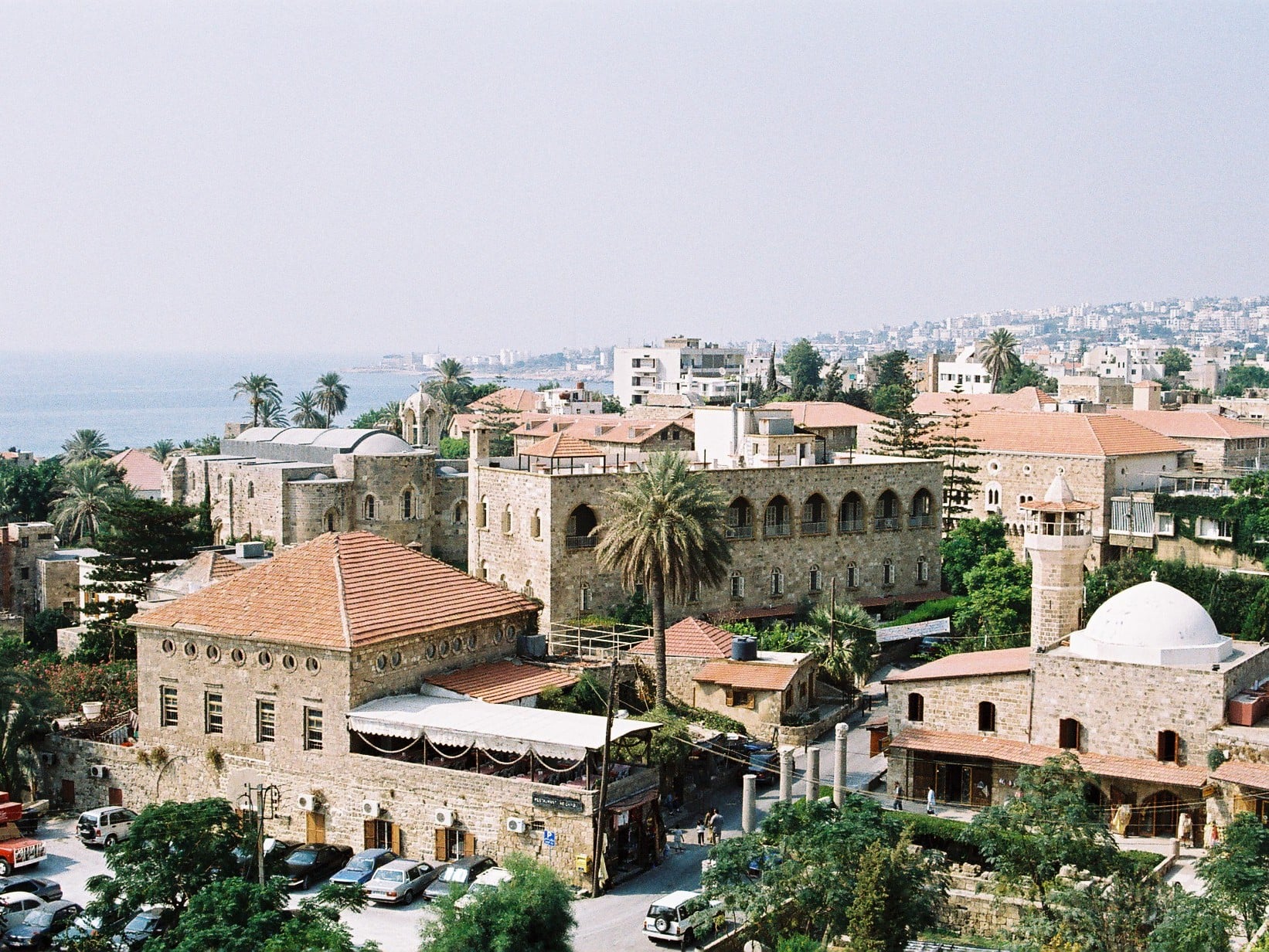
Bou Youssef Elias, known as Bou Youssef, came to Kfarsghab in the last quarter of the 17th Century, from the Jbeil area (Byblos) of Lebanon.
Believed to be well-educated and a descendant of a noble family, he married one of Deeb el Bahri's granddaughters. Due to his education, he became the legal representative of the village towards the Hamade family.
In 1759, he participated in the Battle that liberated the Jebbe — the Maronite region from Ehden to Bcharre — from the Shiite Hamade family.
Moussi
First son
Hanna
Went to Tourza
Estephan
Grandfather of the Stephan family
Estephan → Joseph → Antonious (1856–1895)
Antonious had: Youssef (1890–1947, never married) and Sayed
Sayed had: Antoine (1916–1957) and Marcel (1918–1954)
Marcel had: Sayed, Jebrayel, and Ibrahim
Sayed had: Marcel and Joseph
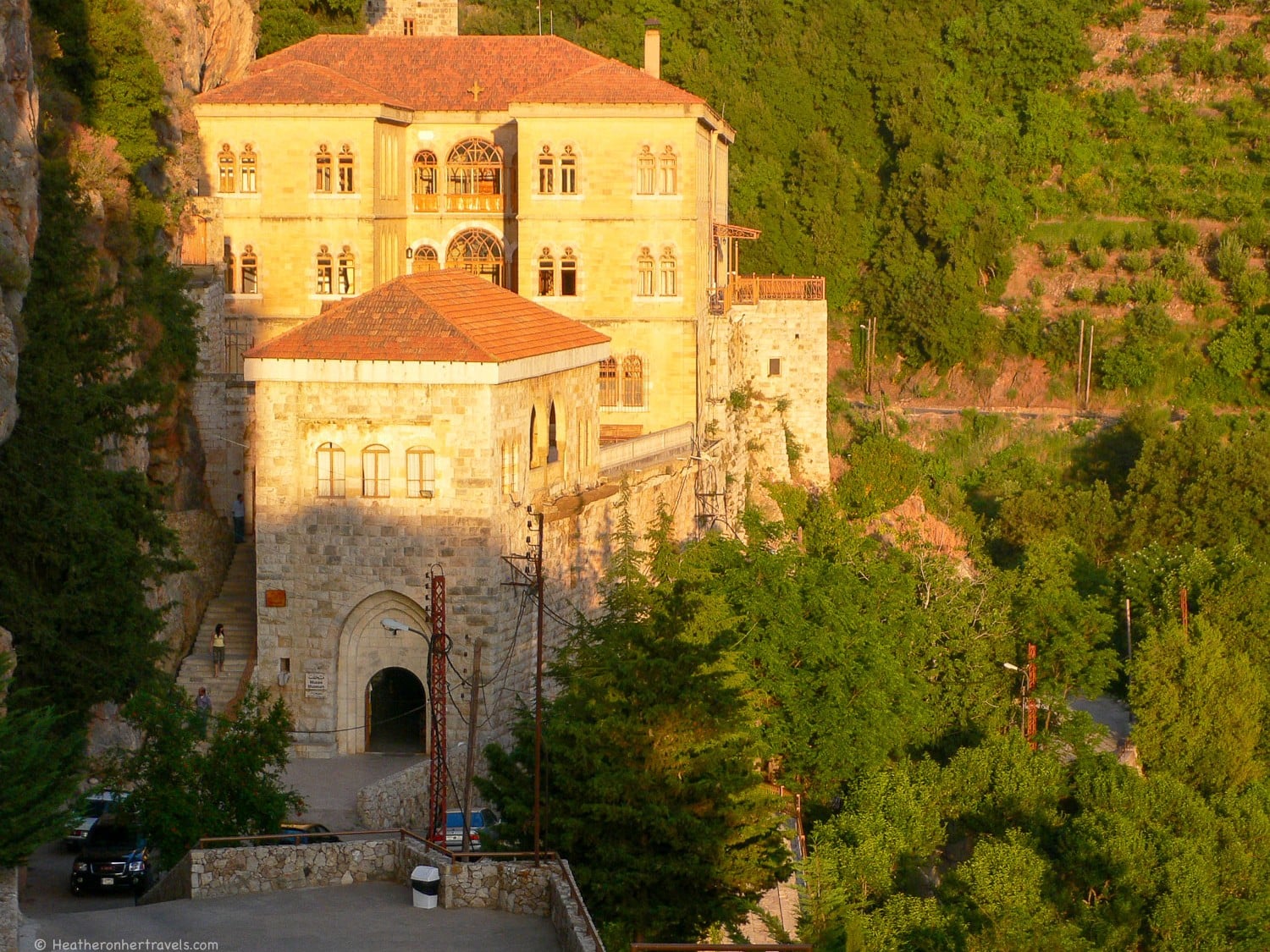
The Fifth Family
Early 18th Century
Khouri Jeres Habouk was the last of the five families to come to Kfarsghab, arriving in the beginning of the 18th Century. They came from the Metn area of Lebanon, specifically from the village of Jeeta.
Two brothers came, with their third brother who was a monk in Deir Qozayah. The monk asked one brother to care for their farms in Ban, and the other took care of land in Sekrieh. The second brother, Habouk, became the ancestor of the Khouri Jeres family.
Chronology
Ancient
Heathens settle in Kfarsghab
Early Period
Syriac people inhabit the village
Medieval
Ottoman rule reaches the region
17th Century
Shiite Hamade family governs the Maronite areas
17th Century
Deeb el Bahri arrives and establishes the first three families
Late 17th C.
Bou Youssef Elias arrives from Byblos
1759
Battle that liberated the Jebbe from the Hamade family
Early 18th C.
Khouri Jeres Habouk arrives from Jeeta
1901
Immigrants from Kfarsghab arrive in Easton, Pennsylvania